
New NPPF 2026: What the “Default Yes” Planning Rules Mean for Small Residential Sites
England has a new National Planning Policy Framework. Published on 17 August 2026, the revised NPPF gives stronger national policy support to appropriate development in sustainable locations and introduces important new policies around well-connected stations.
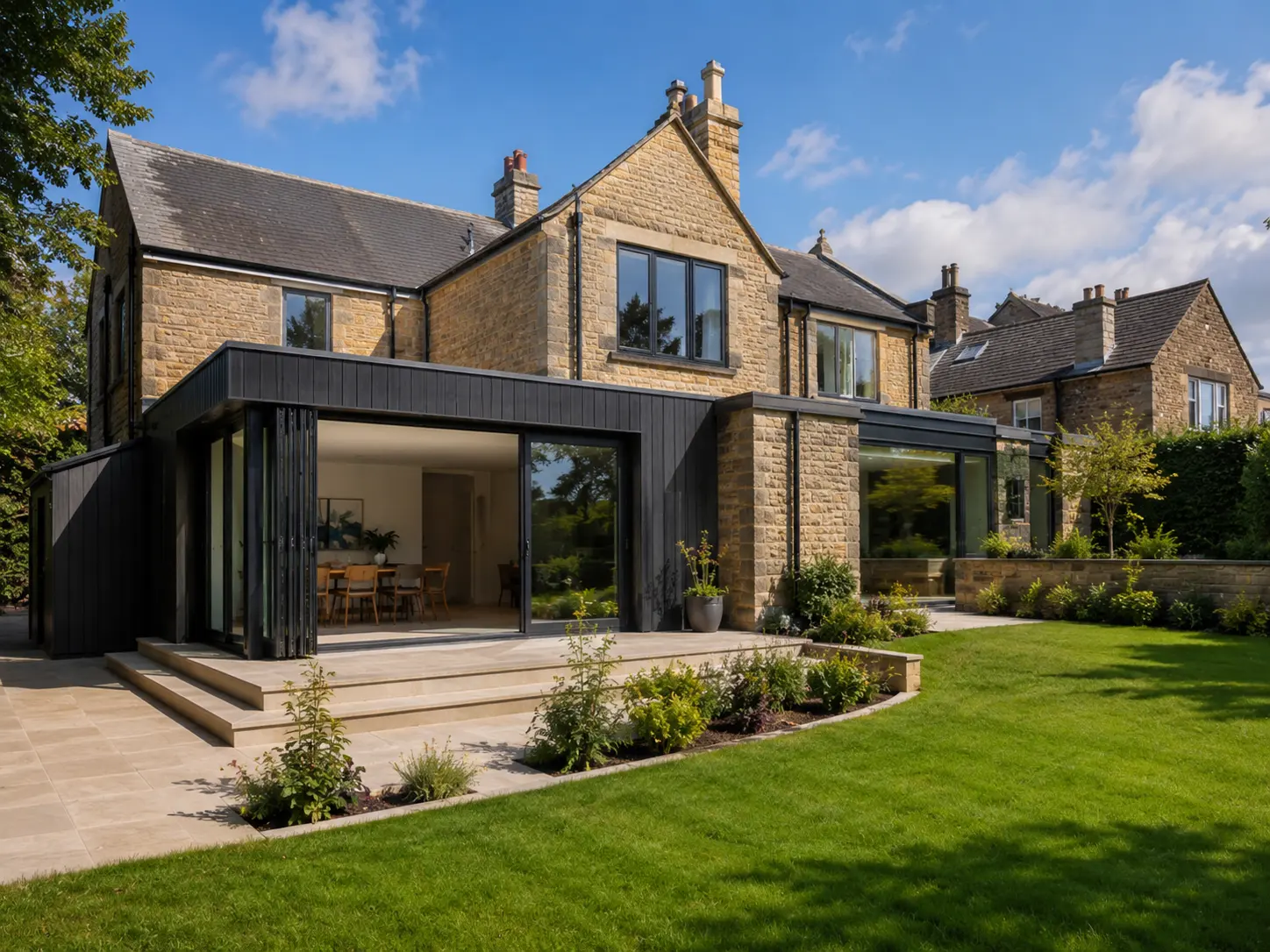
For homeowners, landowners and small developers, the changes could be particularly relevant to infill plots, large gardens, corner sites, garage land, under-used commercial sites and other small residential opportunities.
What changed on 17 August 2026?
The government published a substantially restructured National Planning Policy Framework on 17 August 2026.
One of the important changes is a clearer national decision-making framework, intended to create a more consistent and rules-based approach to planning decisions.
The new Framework also places increased emphasis on delivering housing in sustainable locations and making effective use of land within existing settlements.
What does “default yes” actually mean?
The phrase “default yes” has been used by government when describing the more supportive approach to development, particularly around well-connected stations.
It does not mean that planning permission has become automatic.
Local-plan policy, design, neighbouring amenity, highway safety, heritage, trees, ecology, drainage, flood risk and other planning considerations can still determine whether a proposal is acceptable.
Why could this matter for small residential sites?
Small sites often make an important contribution to housing supply but can be difficult to progress through the planning system.
The revised national policy may give additional weight to proposals that make efficient use of land in sustainable locations.
That could be particularly relevant to:
- infill plots between existing houses;
- large gardens with genuine development potential;
- corner plots;
- redundant garages and garage courts;
- under-used parking or commercial sites;
- low-density land within established residential areas;
- small redevelopment opportunities; and
- sites close to good public transport.
A site which looked marginal under the previous policy framework may therefore deserve to be reassessed.
What changes near well-connected stations?
One of the headline parts of the revised NPPF is stronger support for development within reasonable walking distance of qualifying well-connected railway, underground, tram and light-rail stations.
The final policy generally uses around 800 metres walking distance, although the quality and directness of the actual walking route matter.
This is important because a simple 800-metre radius drawn on a map may not accurately represent walking distance where railway lines, waterways, major roads or an indirect street network create barriers.
What density is expected near stations?
The final August 2026 NPPF uses minimum density expectations of 35 dwellings per hectare in qualifying station locations.
This rises to at least 45 dwellings per hectare where the station meets the higher service-frequency threshold.
35 homes/ha
Baseline national expectation in qualifying station locations.
45 homes/ha
Higher expectation where the enhanced service-frequency test is met.
Not a ceiling
Appropriate site capacity still depends on the specific context and constraints.
These figures should not simply be multiplied by the red-line site area to determine how many houses will fit.
Access, roads, parking, refuse storage, amenity space, daylight, overlooking, trees and the relationship with neighbouring buildings all affect realistic development capacity.
Does this help infill and garden development?
Potentially, yes.
The policy direction supports appropriate intensification and better use of land in sustainable locations.
However, a large garden is not automatically a development site simply because national policy has become more supportive of housing.
A successful infill proposal still needs to demonstrate an appropriate relationship with the existing settlement pattern, satisfactory access, suitable amenity and an acceptable effect on neighbouring homes.
What is “medium development”?
The 2026 Framework also introduces the new concept of medium development.
For housing, this generally means schemes providing 10 to 49 homes on sites no larger than 2.5 hectares.
This is particularly relevant to SME housebuilders and smaller developers operating between individual infill projects and strategic housing sites.
What can still prevent planning permission?
The revised NPPF does not remove normal planning constraints. These can still include:
- local planning policies;
- conservation areas and listed buildings;
- Green Belt;
- highway safety and access;
- flood risk and drainage;
- ecology and biodiversity;
- protected and important trees;
- overlooking and privacy;
- daylight and outlook;
- parking and servicing; and
- design quality and local character.
The new NPPF can improve the principle of development without making an otherwise unacceptable design acceptable.
What should landowners do before applying?
The first step should normally be a planning and development feasibility assessment rather than immediately commissioning a complete planning application.
This should establish:
- the planning history of the site;
- the relevant local and national planning policies;
- access and highway constraints;
- heritage, ecology, tree and flood-risk constraints;
- likely residential capacity;
- the relationship with neighbouring properties; and
- whether the new NPPF materially improves the planning case.
Our planning permission guide explains the wider application process.
Could the new NPPF unlock your site?
If you own an infill plot, large garden, corner site, garage site or another piece of under-used land, it may now be worth reviewing its development potential.
The revised NPPF does not guarantee planning permission, but in the right location it could provide a stronger national-policy basis for residential development.
Have a site that might have development potential?
We can assess the planning position, constraints and likely residential capacity before you commit to a full planning application.
Official guidance
Frequently asked questions
Does the 2026 NPPF mean planning permission is now automatically granted?
No. The revised NPPF creates stronger policy support for appropriate development in sustainable locations, but applications still need to address local planning policy, design, access, amenity, heritage, ecology, flood risk and other material considerations.
What does the NPPF “default yes” approach mean?
The phrase describes a more positive national policy approach to suitable development, particularly within settlements and around qualifying well-connected stations. It does not create automatic planning permission.
Could the new NPPF help an infill or garden development site?
Potentially. Appropriate infill and intensification within settlements may benefit from the stronger national policy position, but the individual site's access, character, neighbouring relationships, trees, ecology and other constraints remain important.
What density is expected close to qualifying stations?
The final August 2026 Framework sets minimum expectations of 35 dwellings per hectare in qualifying station locations, increasing to 45 dwellings per hectare where the higher service-frequency threshold applies.